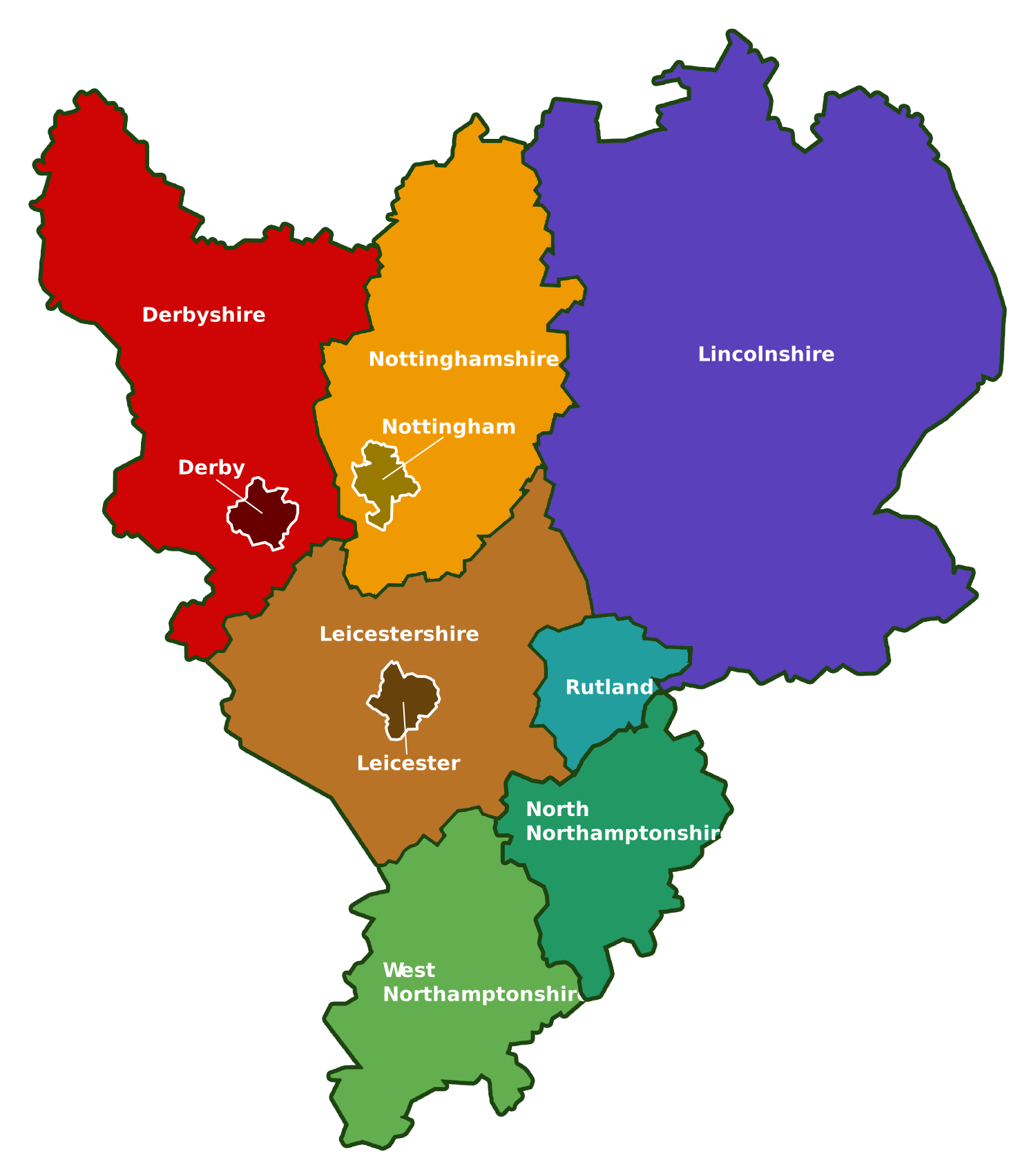
Our region
The East Midlands is the smallest of the ADASS regions and is made up of 10 Local Authorites.
Located at the centre of the country we share borders with Yorkshire and Humber, East of England, North West and the West Midlands.
Our directors

Martin Samuels
Executive Director of Adult Care and Community Wellbeing
Lincolnshire County Council
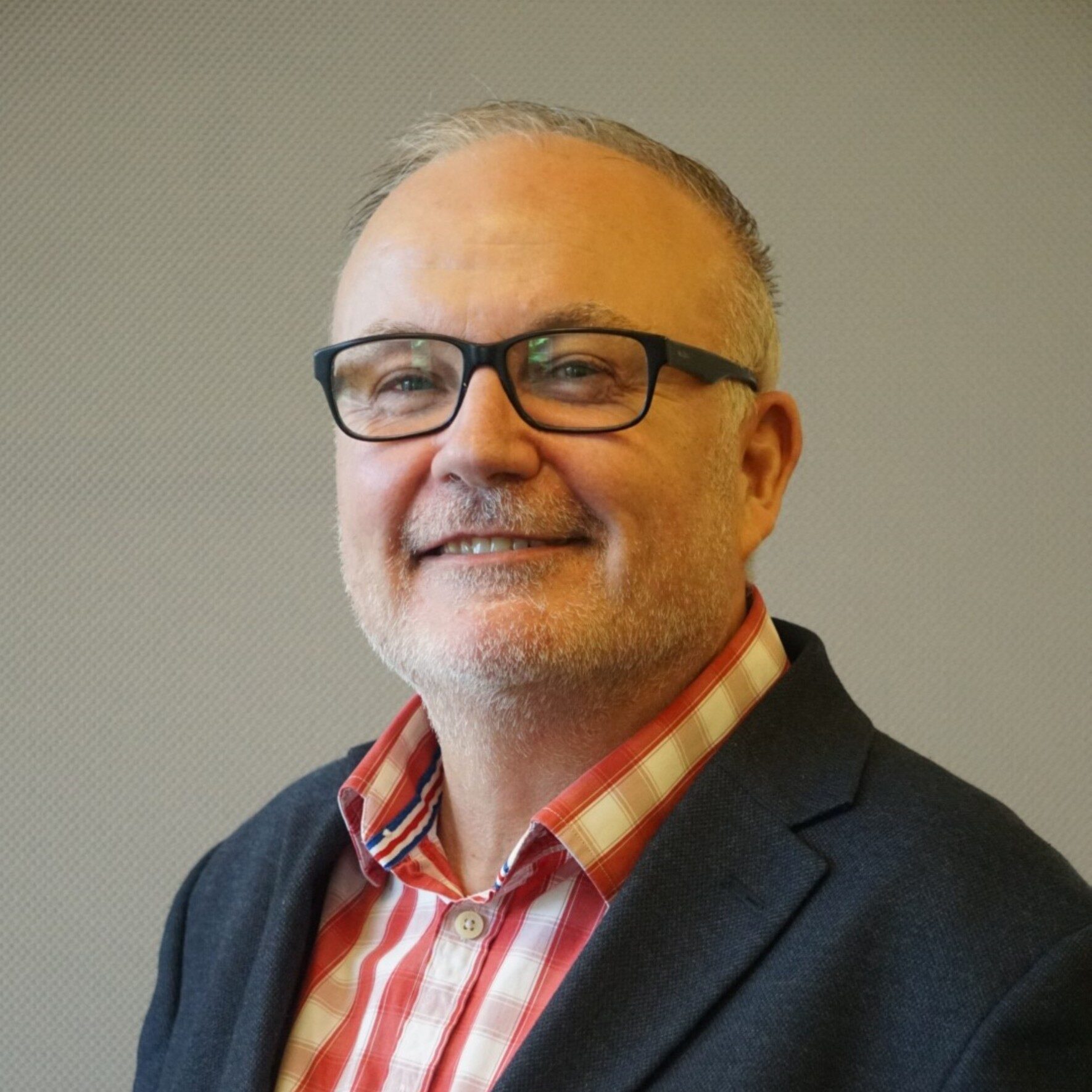
Guy Van Dichele
Executive Director Adult Social Care and Health
Nottinghamshire County Council
Guy.VanDichele2@nottscc.gov.uk


Melanie Williams
Executive Director of People Services
West Northamptonshire Council
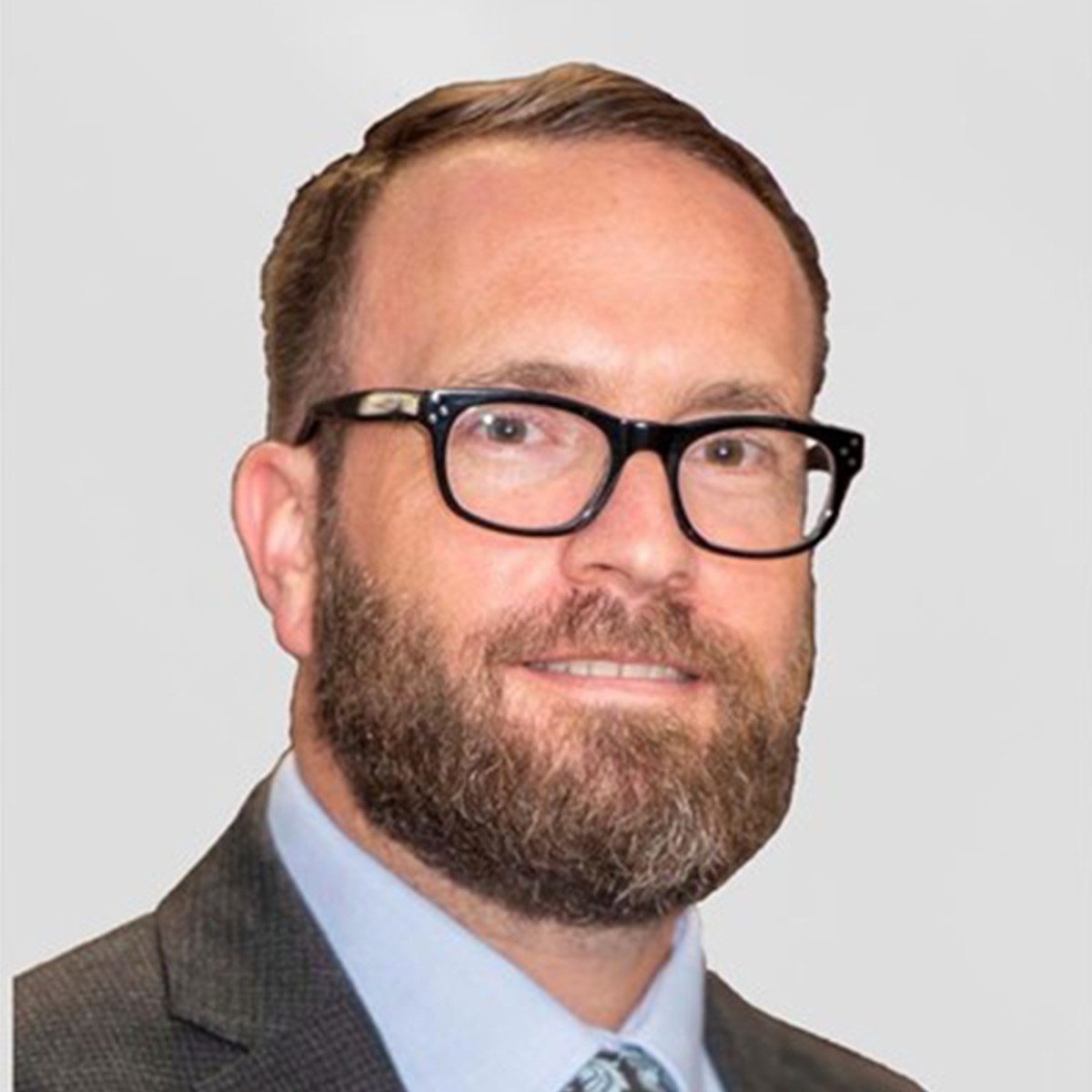
David Watts
Executive Director of Adults, Health Partnerships and Housing
North Northamptonshire Council

Simon Stevens
Executive Director – Adult Social Care & Health
Derbyshire County Council
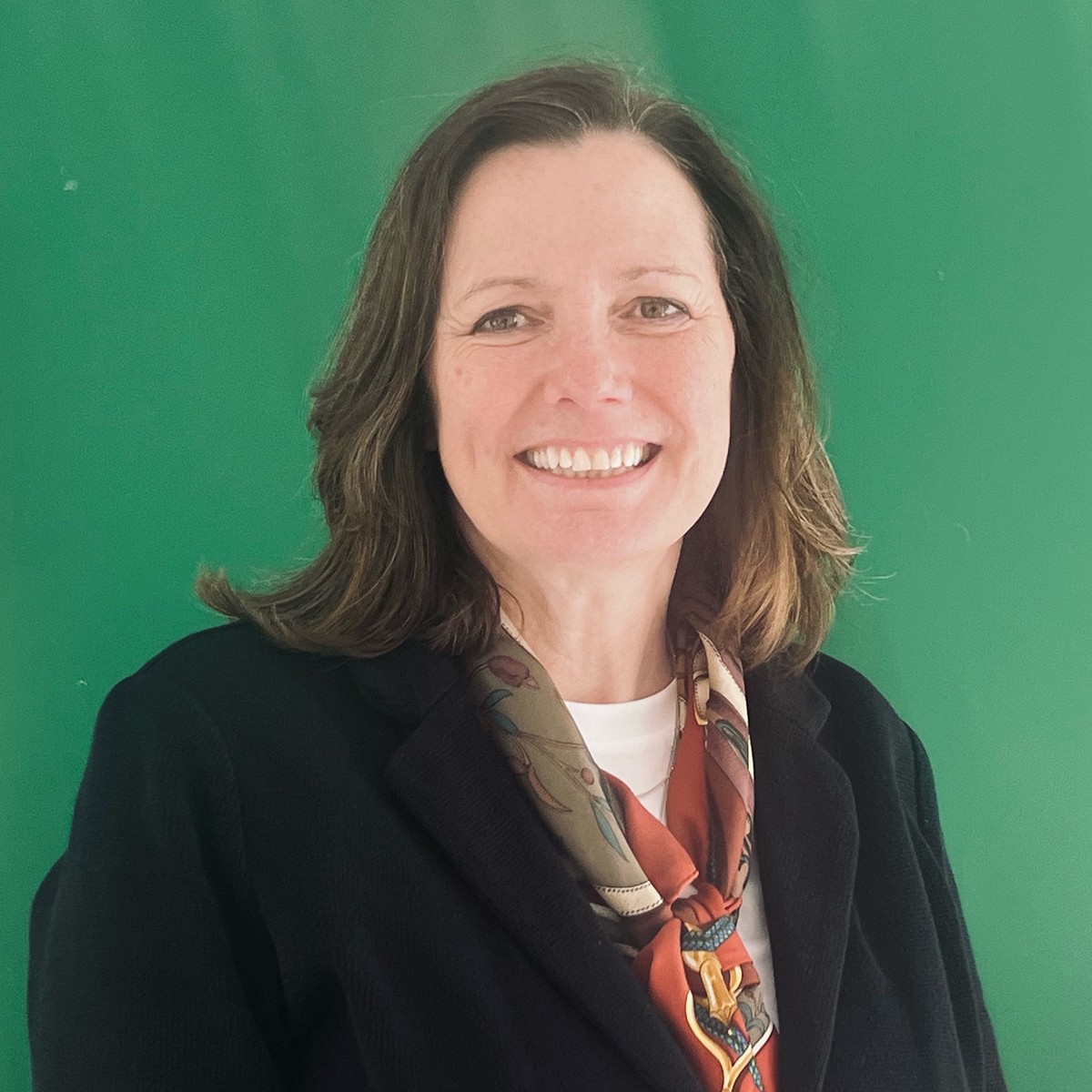

Laurence Mackie-Jones
Strategic Director, Social Care and Education
Leicester City Council
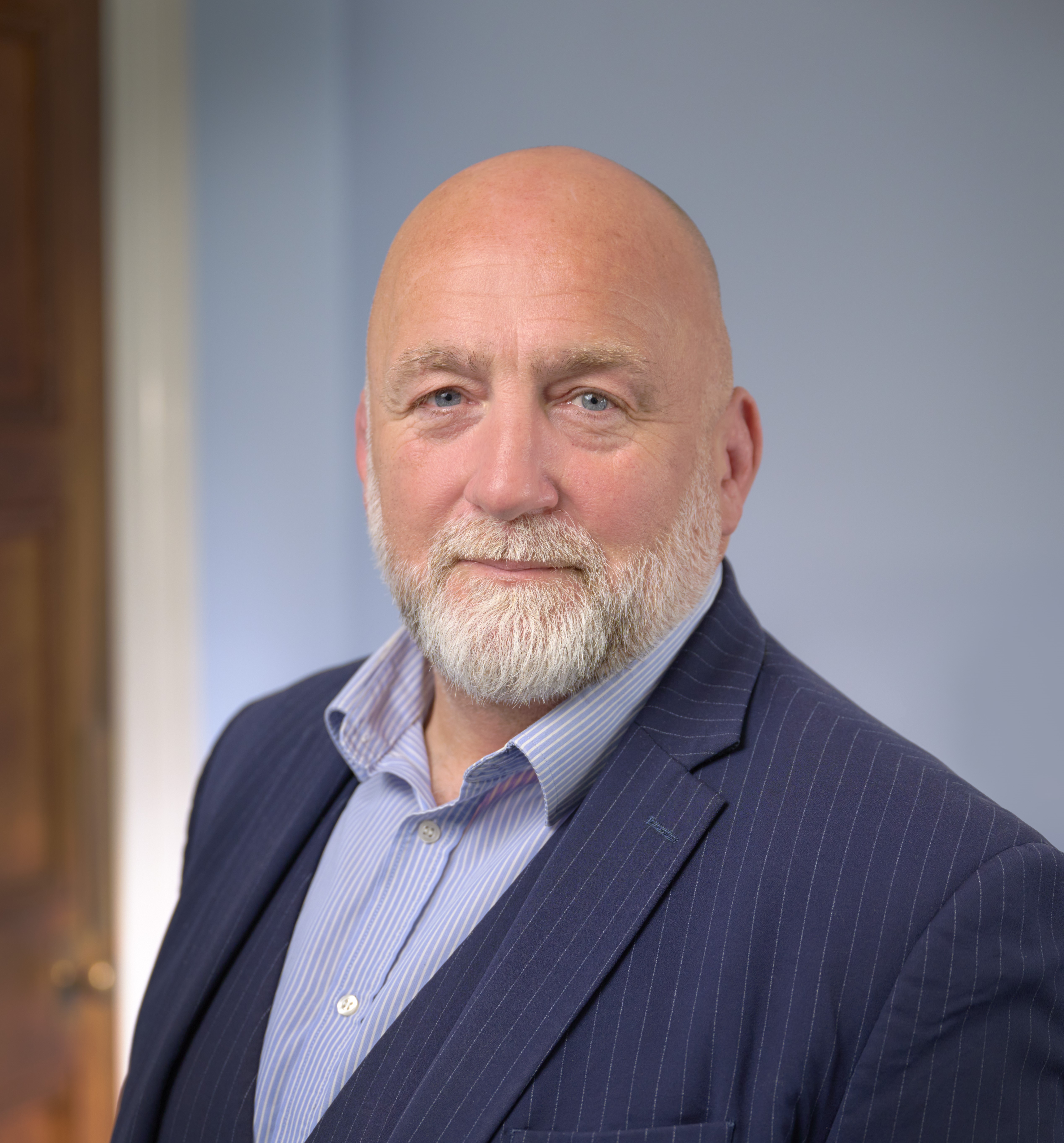
Richard Smith
Interim Corporate Director of Adult Social Care and Health
Nottingham City Council

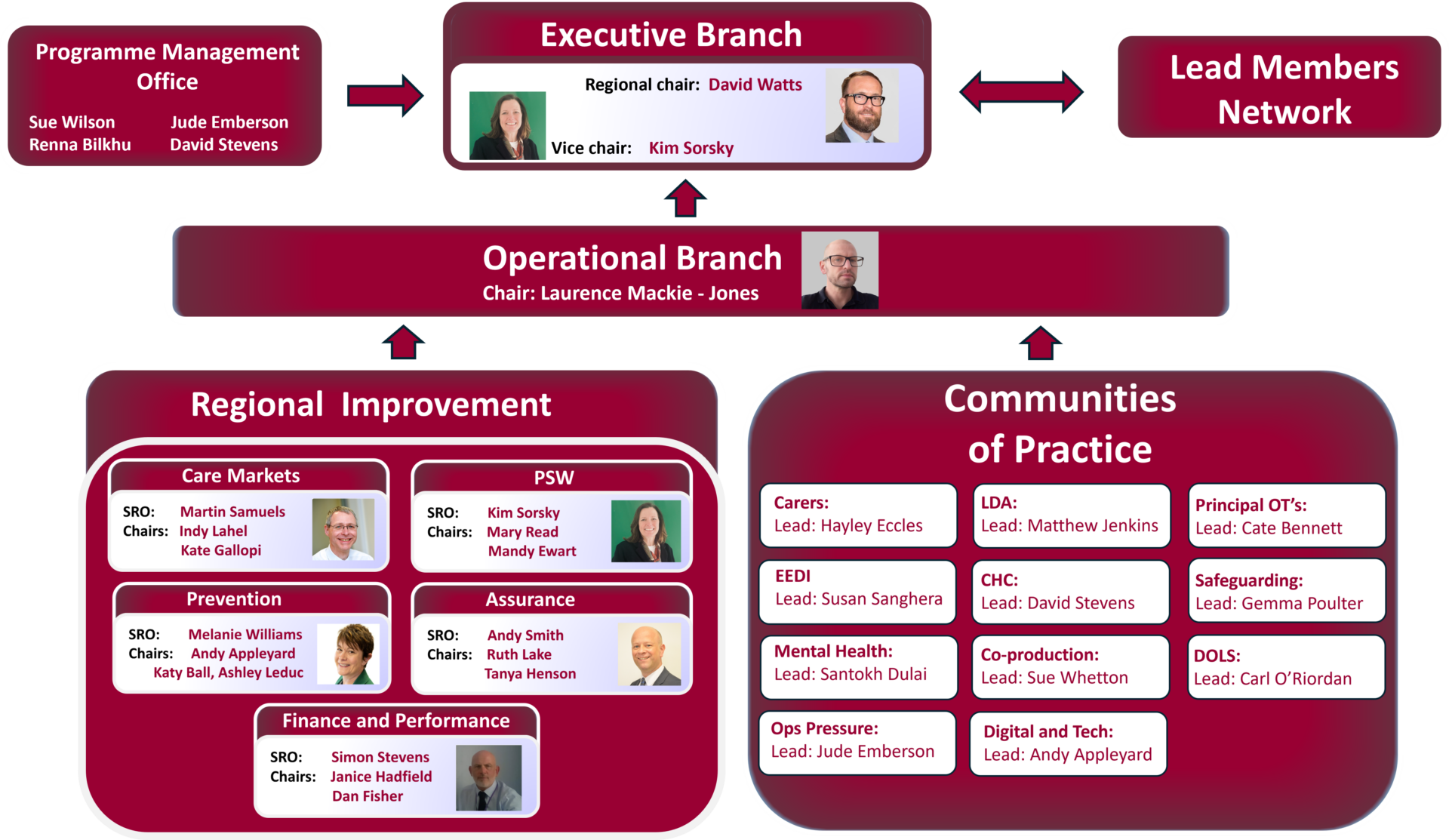
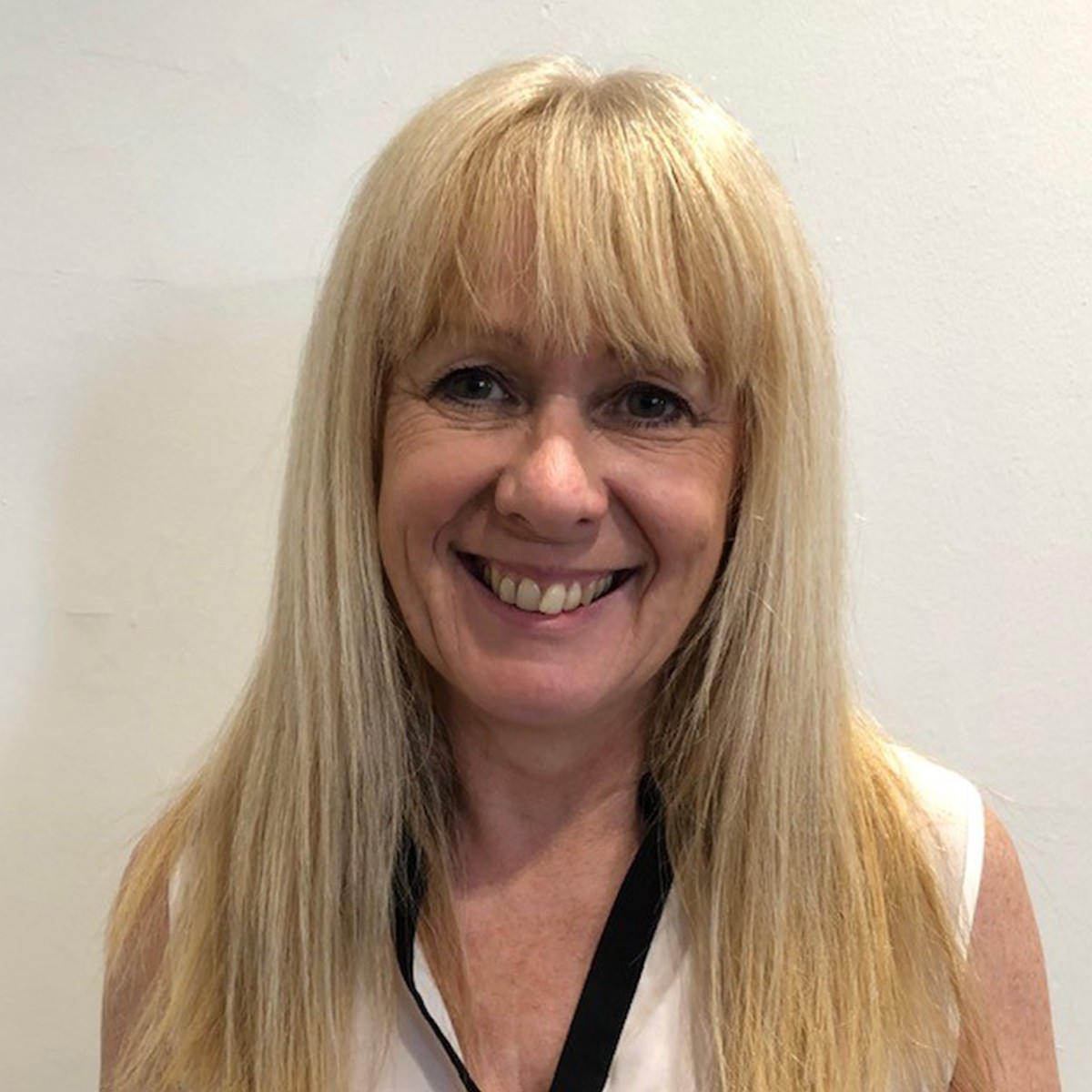
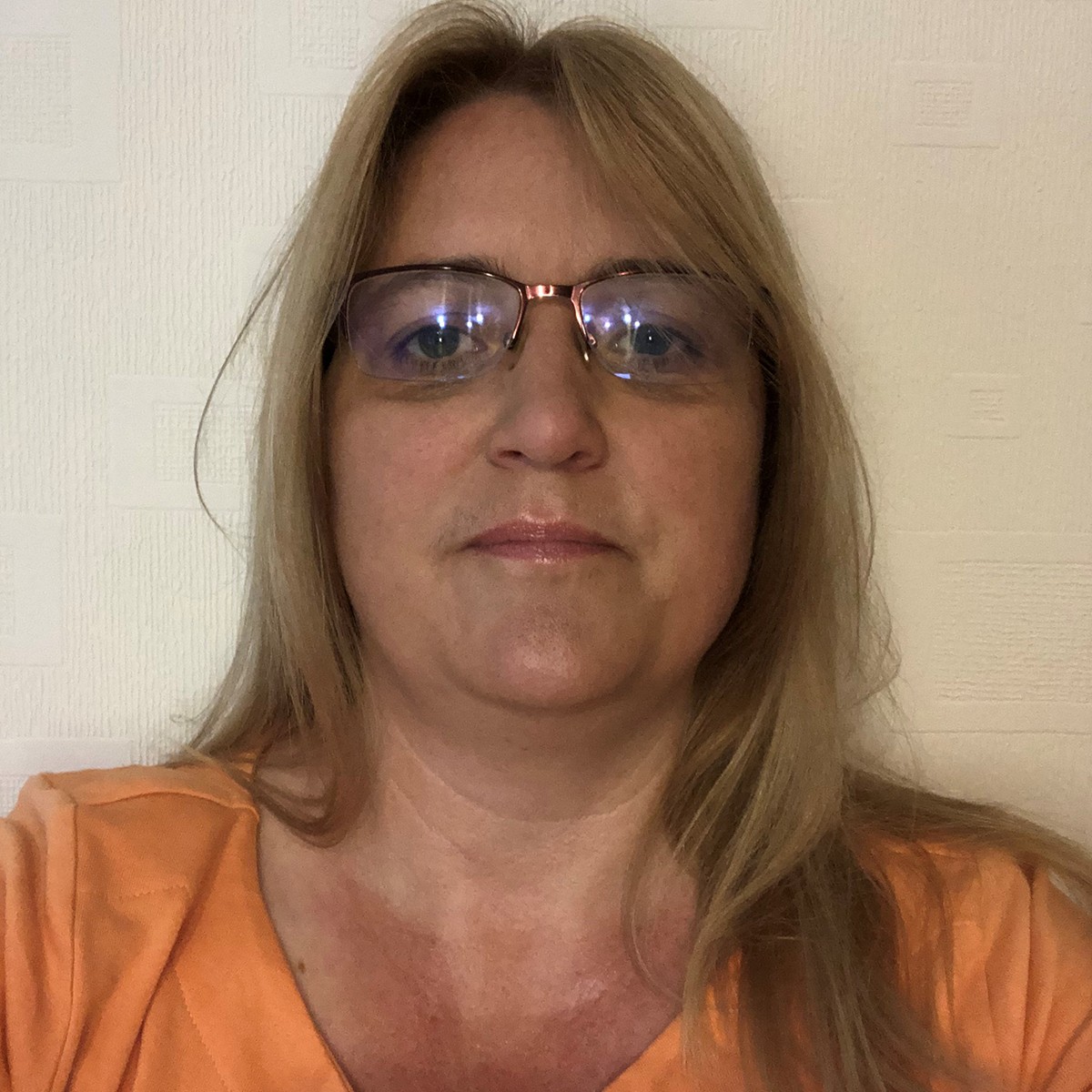
Our Programme Team
Our programme team assists and supports the directors and the regional networks to deliver the priorities of the region. Additional expertise and capacity is brought in when required.
Our Programme
Our Approach to Continuous Improvement
At East Midlands ADASS, we are committed to fostering learning, sharing expertise, and supporting continuous improvement across adult social care in the region. Through our programme of work, we bring together colleagues to reflect, innovate, and tackle the issues that matter most to the people we support.
Much of this work is delivered through regional improvement groups and communities of practice, where senior leaders and practitioners collaborate to drive improvements across the system. Activities within these groups include peer reviews, challenge conversations, mentoring, showcasing best practice, and targeted initiatives focused on emerging priorities or innovative approaches. These initiatives allow us to test new ideas, share learning widely, and make a tangible difference in the quality and impact of adult social care.
By working collectively through these networks and initiatives, Directors and their teams continuously enhance the quality of care, build local expertise, and ensure that services are effective, sustainable, and responsive to the needs of people and communities today—and for the future.